When someone experiences a stroke, it’s a life-changing event that requires prompt and comprehensive medical care.

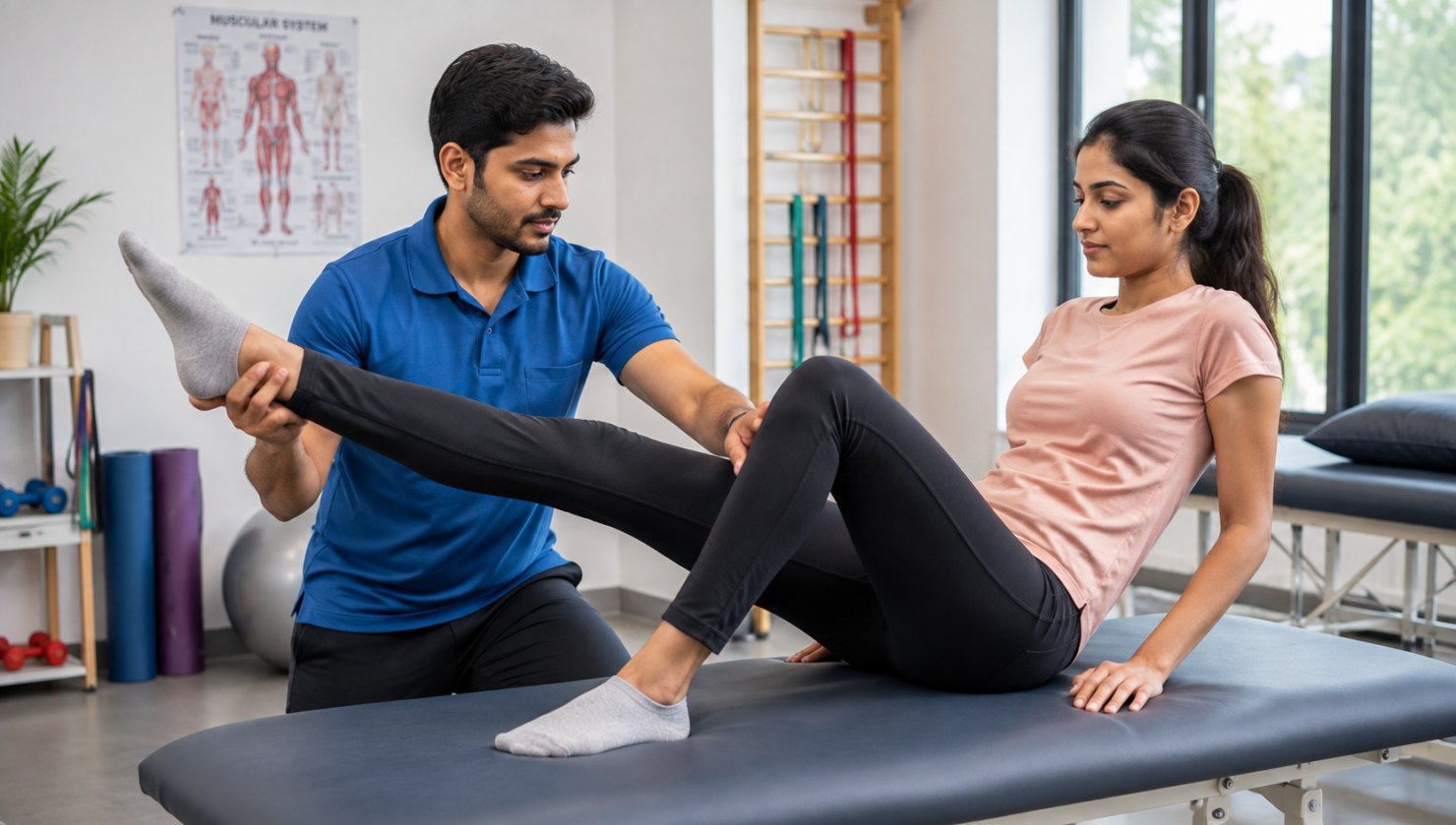
Discover how personalized physiotherapy, guided stretching, and rehabilitation exercises help relieve pain, improve mobility, and restore strength after injury or surgery. Perfect for sports injuries, back pain, knee pain, and post-operative recovery.
Physiotherapy focuses on identifying the root cause of pain rather than simply treating the symptoms. Through hands-on techniques, therapeutic exercises, and personalized rehabilitation plans, physiotherapists help patients recover safely while preventing future injuries.
John Collins
Relieves Pain Naturally
Physiotherapy uses manual therapy and targeted stretching techniques to reduce muscle tension, improve blood circulation, and relieve pain without excessive reliance on medication.
Benefits of Guided Stretching and Mobility Exercises
Correct movement patterns and supervised rehabilitation reduce the risk of recurring injuries and improve long-term musculoskeletal health.
Strengthening exercises improve muscle support around the joints, enhancing balance, posture, and overall physical function.
Regular mobility exercises help restore flexibility in stiff joints, allowing smoother movement and reducing discomfort during daily activities.

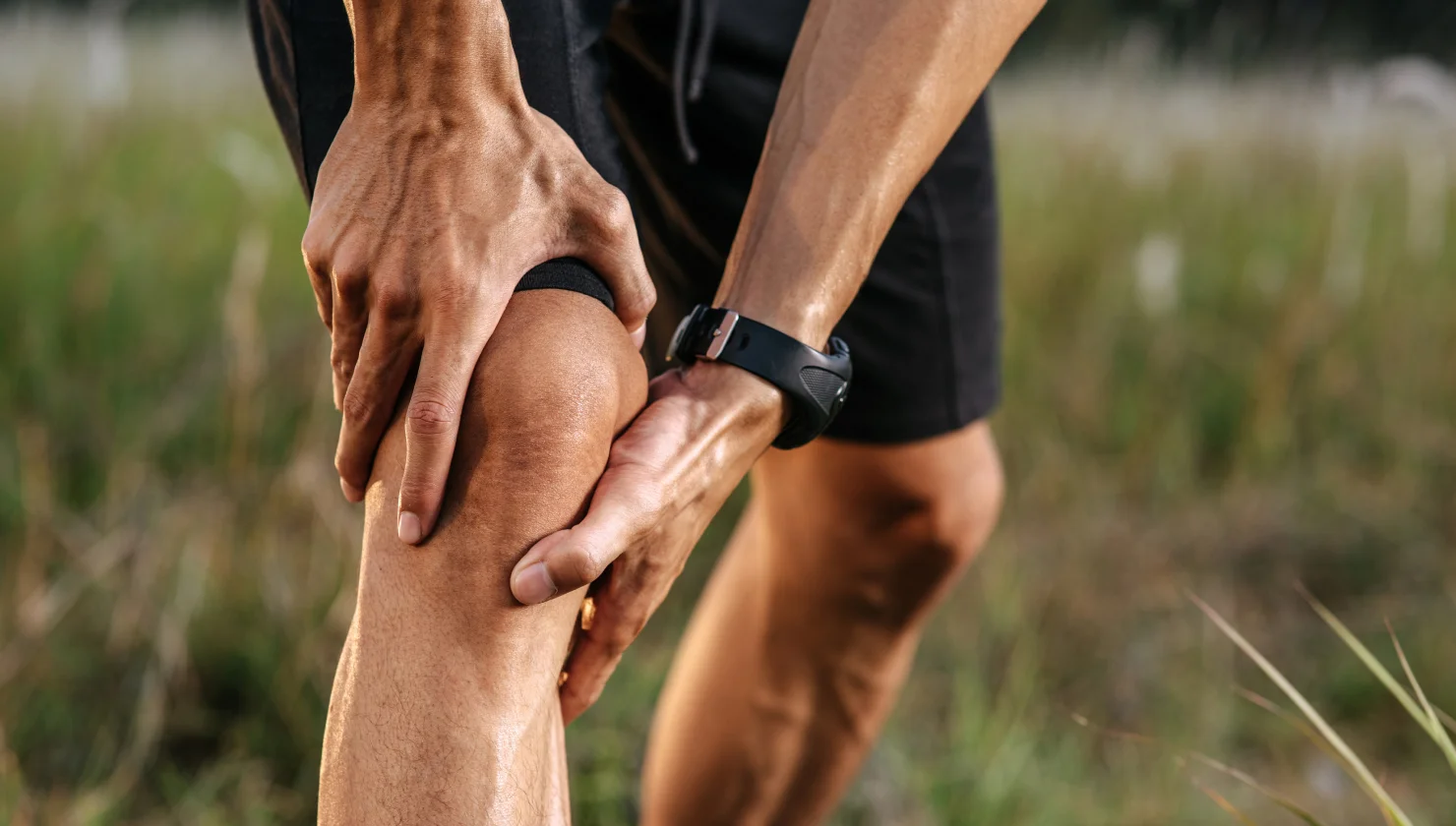
Many people delay treatment, hoping pain will resolve on its own. Unfortunately, untreated musculoskeletal problems can worsen over time, leading to chronic pain, reduced mobility, muscle weakness, and prolonged recovery.
Seeking physiotherapy early offers several advantages:
- Faster healing
- Reduced pain and inflammation
- Improved joint flexibility
- Prevention of muscle weakness
- Better long-term mobility
- Lower risk of recurring injuries
- Quicker return to work, sports, and daily activities
Early intervention often leads to shorter treatment durations and better overall outcomes.
What Happens During Your Physiotherapy Session?
Your first appointment begins with a comprehensive assessment. The physiotherapist evaluates your posture, movement, flexibility, strength, pain levels, and functional limitations before designing an individualized treatment plan.
A typical physiotherapy session may include:
- Detailed physical assessment
- Pain management techniques
- Guided stretching exercises
- Manual therapy
- Muscle strengthening
- Joint mobilization
- Functional movement training
- Balance exercises
- Posture correction
- Home exercise guidance
As your condition improves, your rehabilitation program is adjusted to ensure continuous progress and optimal recovery.
Why Early Physiotherapy Is Important
Many people delay treatment, hoping pain will resolve on its own. Unfortunately, untreated musculoskeletal problems can worsen over time, leading to chronic pain, reduced mobility, muscle weakness, and prolonged recovery.
Seeking physiotherapy early offers several advantages:
- Faster healing
- Reduced pain and inflammation
- Improved joint flexibility
- Prevention of muscle weakness
- Better long-term mobility
- Lower risk of recurring injuries
- Quicker return to work, sports, and daily activities
Early intervention often leads to shorter treatment durations and better overall outcomes.
Quiz Form
The following are 5 questions that can be answered with either a “yes” or a “no.”
Their separate existence is a myth. For science, music, sport, etc, Europe uses the same vocabulary. The languages only differ in their grammar, their pronunciation and their most common words. Everyone realizes why a new common language would be desirable: one could refuse to pay expensive translators. To achieve this, it would be necessary to have uniform grammar, pronunciation and more common words. If several languages coalesce.
Movement Therapy for Lasting Pain Relief
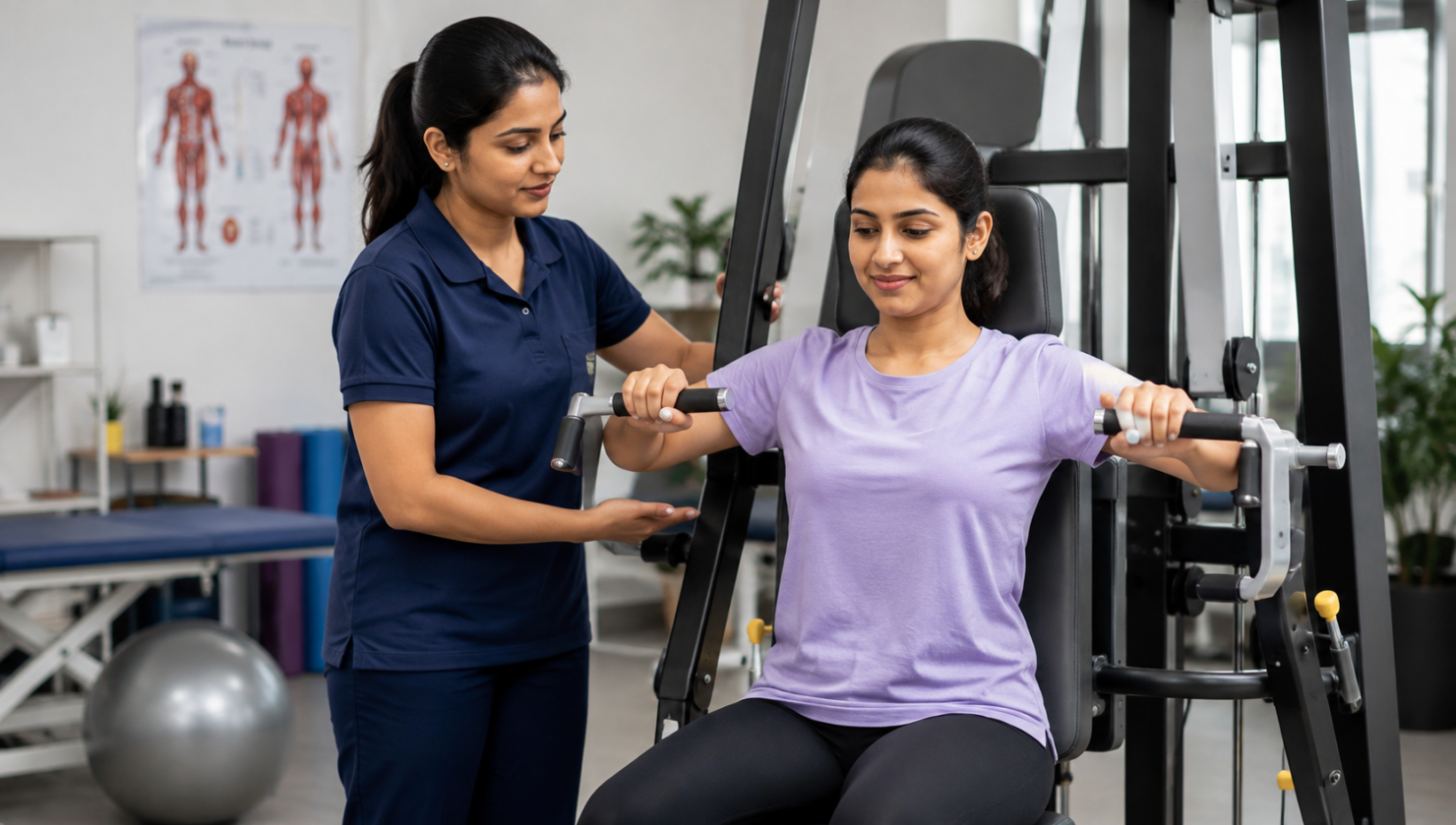
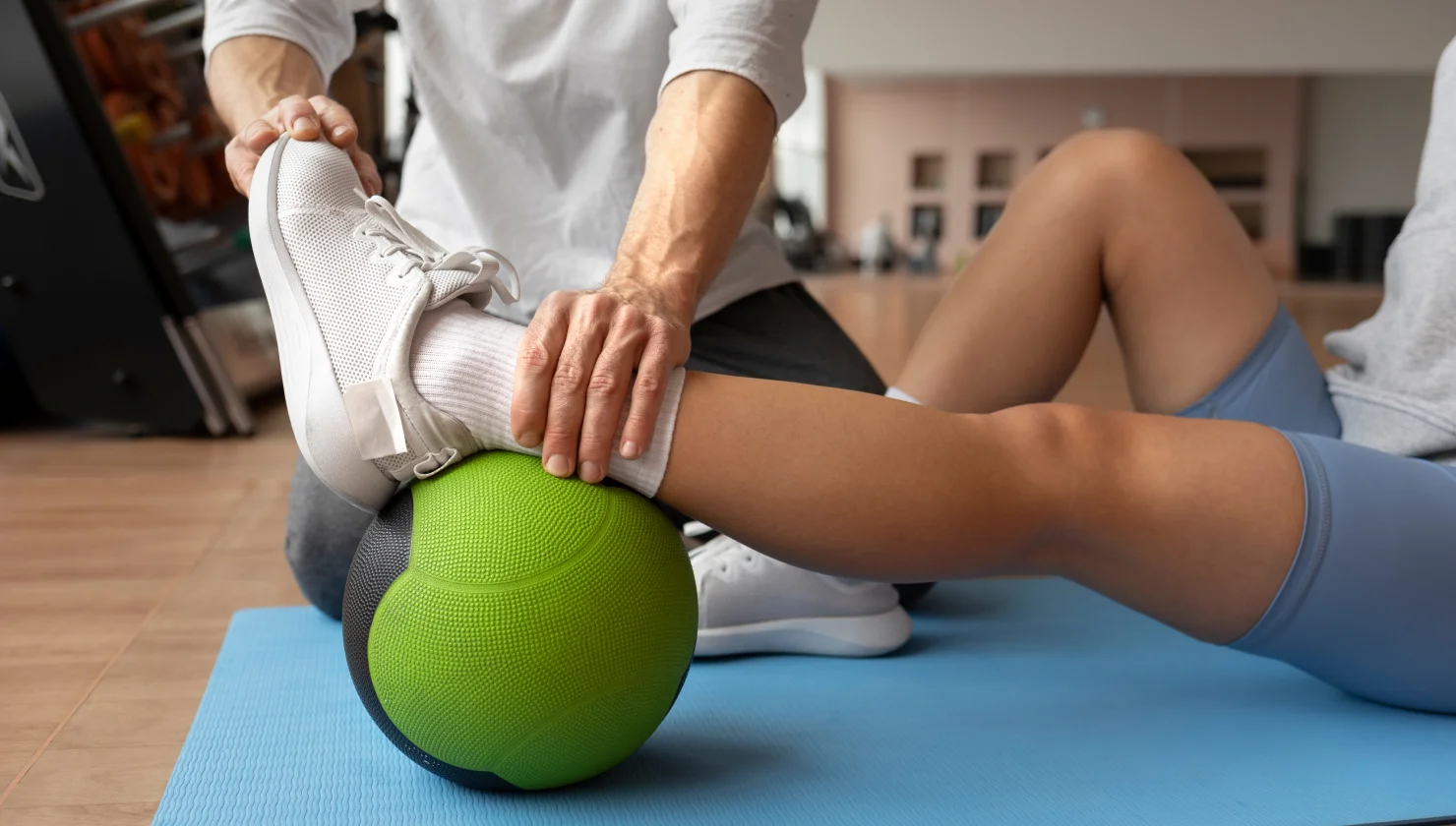
Recovery is more than just reducing pain—it’s about restoring movement, improving strength, and helping you return to your everyday activities with confidence. Guided movement therapy is a key component of physiotherapy, where a trained physiotherapist supervises every exercise to ensure proper posture, controlled movement, and maximum effectiveness. By combining stretching, balance training, and functional exercises, patients experience improved flexibility, stronger muscles, and enhanced joint mobility. This personalized approach not only speeds up recovery after injuries or surgery but also helps prevent recurring pain and future musculoskeletal problems, allowing you to enjoy a healthier and more active lifestyle.
Book a Consultation
It’s easy and free!

Comments
annabrown
Good Blog!
cmsmasters
Thanks.