
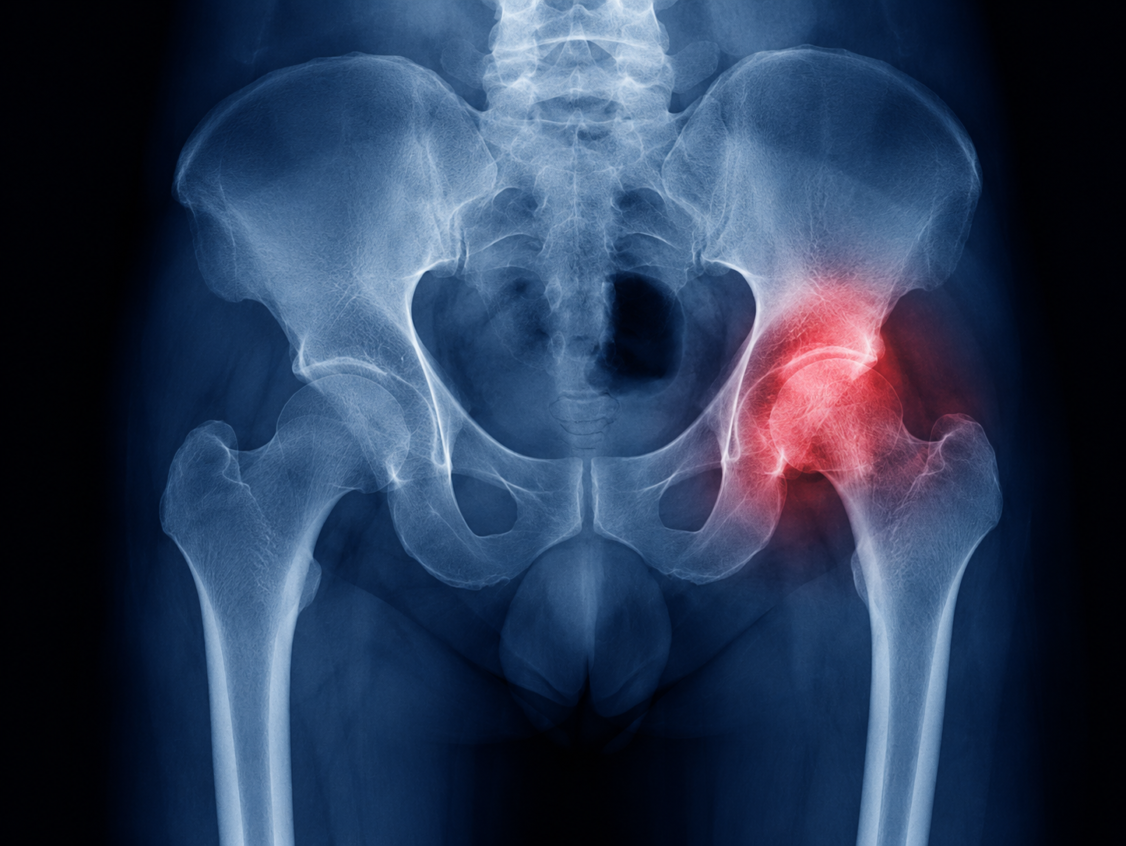
About Hip Osteoarthritis
Hip osteoarthritis is a common joint condition in which the hip undergoes gradual structural changes over time. These changes affect the cartilage that cushions the joint, as well as the underlying bone, joint lining, and surrounding muscles. As the condition progresses, the hip may become painful, stiff, and less mobile, making everyday activities more challenging. Hip osteoarthritis most commonly affects adults over the age of 50, although younger individuals may also develop it following previous injuries, hip abnormalities, or certain medical conditions. Symptoms often develop gradually and may initially be noticed during activities such as walking, climbing stairs, getting out of a chair, or putting on shoes and socks. While osteoarthritis cannot be completely reversed, many people successfully manage their symptoms through physiotherapy, regular exercise, weight management where appropriate, and lifestyle modifications. Staying active is one of the most effective ways to maintain joint function and improve quality of life.
Did You Know?
Exercise is considered one of the most effective first-line treatments for hip osteoarthritis. International clinical guidelines consistently recommend education, exercise therapy, and maintaining physical activity as the foundation of treatment. Staying active helps improve muscle strength, joint function, and overall quality of life.
Frequently Asked Questions
Age increases the likelihood of developing osteoarthritis, but it is not an inevitable part of ageing. Many factors—including previous injuries, genetics, body weight, and physical activity—contribute to its development.
No. Appropriate exercise does not “wear out” the joint. In fact, regular strengthening and mobility exercises help support the muscles around the hip, improve function, and reduce pain.
Yes. Physiotherapy helps improve movement, strengthen the muscles around the hip, reduce pain, and make everyday activities easier. It is recommended as a first-line treatment for hip osteoarthritis.
Not everyone with hip osteoarthritis requires surgery. Many people manage their symptoms successfully for years with exercise, physiotherapy, and lifestyle modifications. Hip replacement is usually considered when pain and disability significantly affect quality of life despite appropriate conservative management.
For most people, yes. Walking is generally beneficial when performed within a comfortable range. Your physiotherapist can help determine the most appropriate amount of walking and other activities based on your symptoms.