
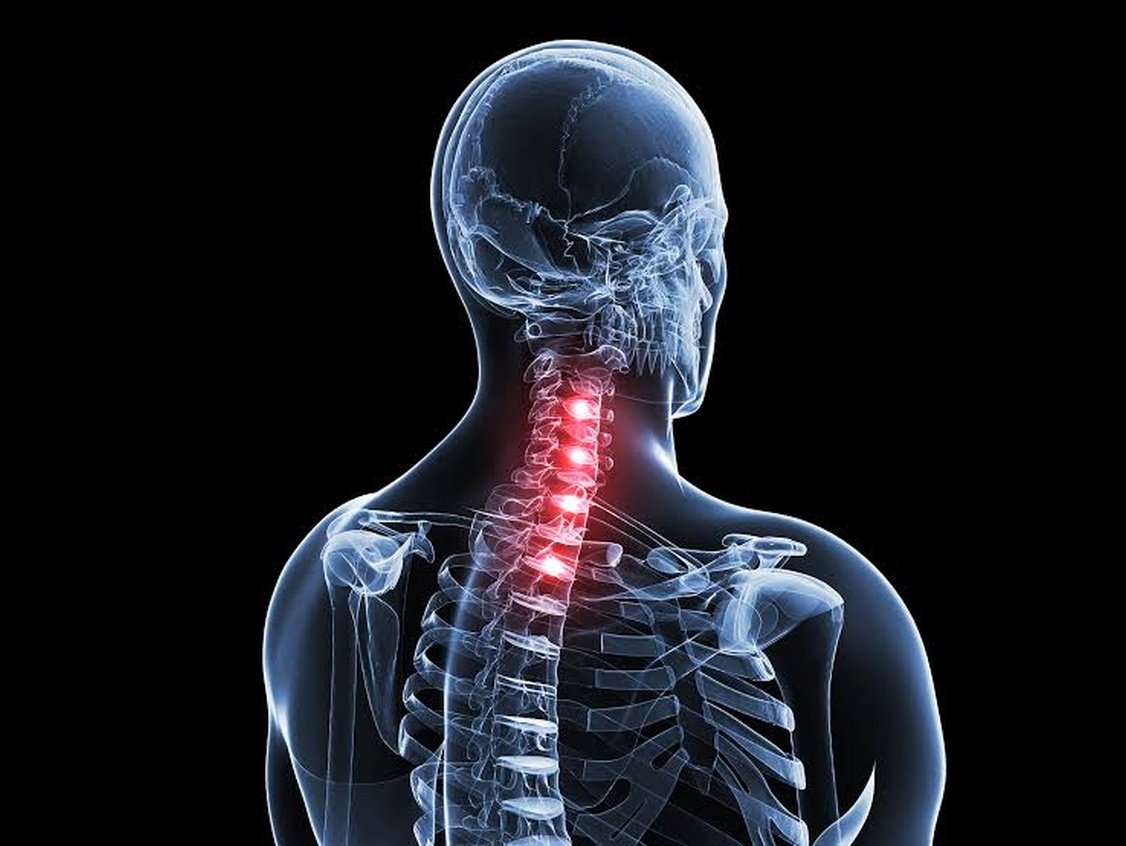
About Mechanical Neck Pain
Mechanical neck pain is one of the most common causes of neck discomfort and stiffness. It occurs when pain arises from the muscles, joints, ligaments, tendons, or discs of the cervical spine (neck), without being caused by a serious underlying medical condition such as infection, fracture, or inflammatory disease. The pain is often influenced by movement or posture and may worsen after prolonged sitting, working on a computer, driving, using a smartphone, or sleeping in an awkward position. Many people experience mechanical neck pain at some point in their lives, particularly those with sedentary jobs or repetitive work activities. Although the pain can affect work, sleep, and daily activities, the condition generally responds well to conservative treatment. Early assessment and appropriate physiotherapy can help relieve pain, restore movement, improve function, and reduce the likelihood of recurrence.
Did You Know?
Forward head posture can significantly increase the load on your neck. As your head moves forward while looking at a phone or laptop, the muscles and joints of the neck have to work much harder to support its weight. Maintaining an ergonomic workstation and taking regular movement breaks can help reduce unnecessary strain on the cervical spine.
Frequently Asked Questions
In most cases, mechanical neck pain is not serious and improves with appropriate physiotherapy, exercise, and activity modification. However, persistent pain or symptoms associated with numbness, weakness, fever, or recent trauma should be evaluated by a healthcare professional.
Many people experience significant improvement or complete resolution of symptoms with physiotherapy. Long-term success depends on addressing contributing factors such as posture, muscle strength, workstation ergonomics, and regular exercise.
Prolonged rest is generally not recommended. Gentle movement and appropriately prescribed exercises usually promote recovery better than complete inactivity. Your physiotherapist can advise you on safe activity levels during recovery.
Recovery varies depending on the severity and duration of symptoms. Mild cases may improve within a few weeks, while long-standing or recurrent neck pain may require a longer rehabilitation program.
Not always. Most people with mechanical neck pain do not require imaging. Investigations are usually recommended only when there are concerning symptoms or when recovery does not progress as expected.