About Knee Osteoarthritis
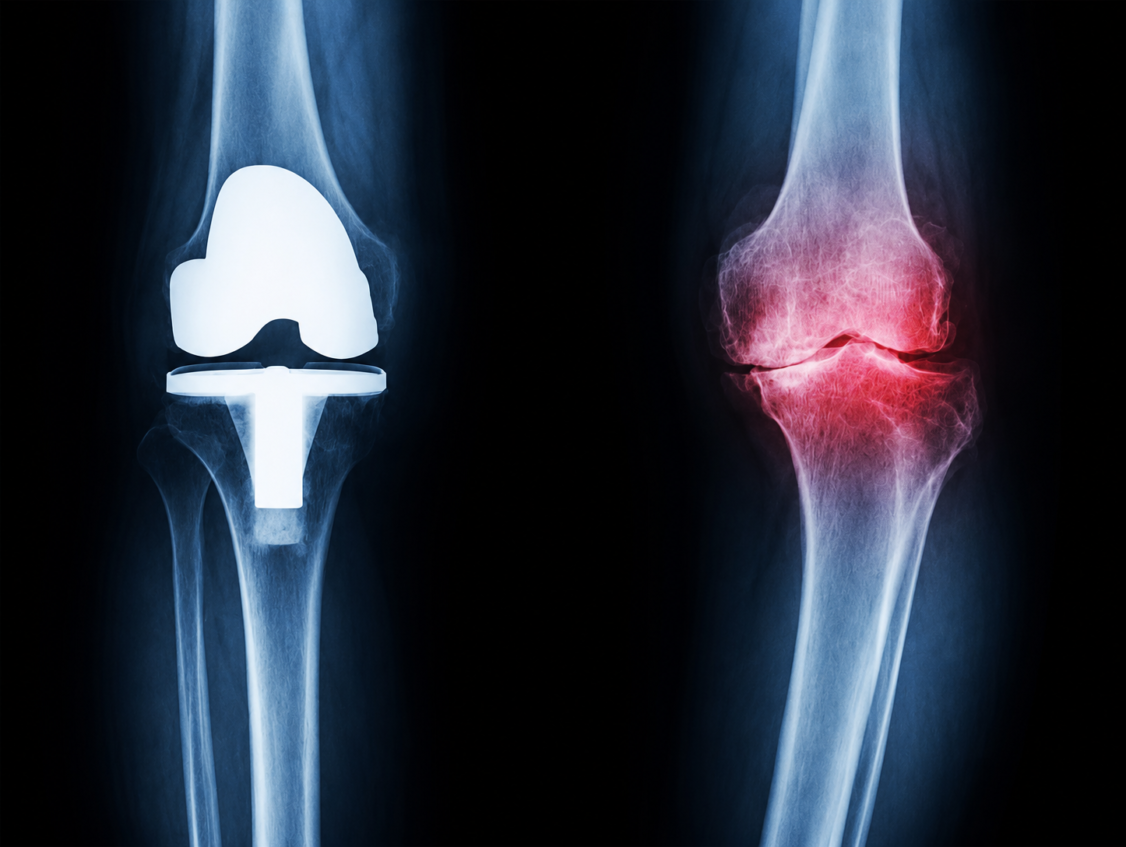
Knee osteoarthritis is one of the most common joint conditions affecting adults, particularly as they grow older. It is a long-term condition in which the knee joint undergoes gradual structural changes involving the cartilage, underlying bone, joint lining, and surrounding muscles. These changes may lead to pain, stiffness, reduced movement, and difficulty performing everyday activities. Although knee osteoarthritis becomes more common with age, it is not simply a result of “wear and tear.” Factors such as previous injuries, excess body weight, genetics, muscle weakness, and joint alignment can all contribute to its development. Many people notice symptoms during activities such as walking, climbing stairs, squatting, standing up from a chair, or walking for longer distances. While knee osteoarthritis cannot currently be cured, physiotherapy, regular exercise, weight management where appropriate, and lifestyle modifications can effectively reduce pain, improve function, and help individuals remain active.
Did You Know?
Research shows that completing a comprehensive rehabilitation programme is just as important as the surgery itself. Returning to pivoting sports too early, before meeting strength and functional criteria, may increase the risk of reinjury. Objective testing—not just the passage of time—helps determine when it is safe to progress.
Frequently Asked Questions
The graft used to reconstruct the ACL undergoes a gradual healing and remodelling process. While many people return to high levels of activity, recovery depends on successful rehabilitation as well as surgical healing.
Many people gradually return to normal walking within several weeks, although this varies depending on swelling, muscle strength, and your surgeon’s rehabilitation protocol.
Return to sport depends on your strength, balance, movement quality, confidence, and functional test results. Many athletes return to pivoting sports around 9 to 12 months, although some require longer rehabilitation.
Quadriceps weakness is common after ACL reconstruction due to pain, swelling, and reduced activity. Progressive strengthening exercises are an important part of rehabilitation to restore muscle size and function.
Physiotherapy is most intensive during the rehabilitation period, but continuing strength, balance, and injury prevention exercises after discharge helps support long-term knee health.