
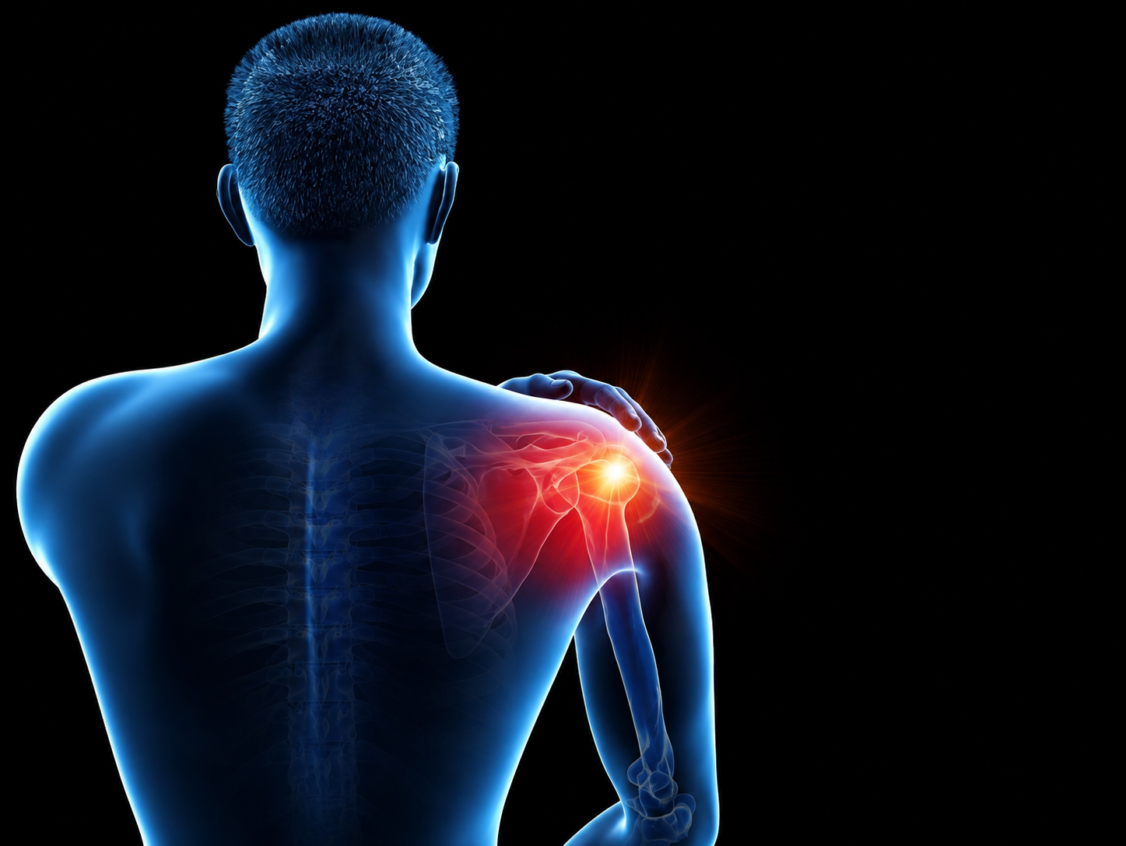
About Shoulder Impingement Syndrome
Shoulder impingement syndrome is a common condition in which the tendons of the rotator cuff and the bursa (a small fluid-filled sac that cushions the shoulder) become irritated as they pass through the narrow space beneath the acromion, the bony part at the top of the shoulder. This repeated irritation can lead to pain, particularly during overhead movements. People with shoulder impingement often notice pain when reaching above shoulder level, lifting objects, throwing, or performing repetitive overhead activities. It commonly affects individuals involved in occupations or sports that require frequent overhead arm movements, such as painters, electricians, swimmers, tennis players, and volleyball players. Modern research suggests that shoulder impingement is often influenced by several factors, including tendon health, shoulder muscle strength, posture, movement patterns, and activity levels, rather than simply the shape of the bones. With appropriate physiotherapy and a gradual rehabilitation programme, most people experience significant improvement without surgery.
Did You Know?
Not everyone with shoulder impingement has a structural problem that requires surgery. Current research shows that many people recover successfully with physiotherapy focused on improving shoulder strength, movement patterns, and gradually increasing the shoulder’s ability to tolerate everyday activities.
Frequently Asked Questions
No. Shoulder impingement refers to irritation of the tissues beneath the acromion, while a rotator cuff tear involves damage to one or more rotator cuff tendons. The two conditions can sometimes occur together but are not the same.
Yes. Most people improve with conservative management, including physiotherapy, activity modification, and a structured exercise programme. Surgery is usually considered only when symptoms persist despite appropriate non-surgical treatment.
Lifting the arm places increased demands on the rotator cuff tendons and surrounding tissues. If these structures are irritated or overloaded, overhead movements may become painful.
Many individuals notice improvement within 6 to 12 weeks, although recovery may take longer depending on the severity of symptoms and individual factors.
In many cases, yes. Temporary modifications may be needed while symptoms improve, but a gradual return to sport is usually encouraged as shoulder strength and function recover.