About Mechanical Low Back Pain
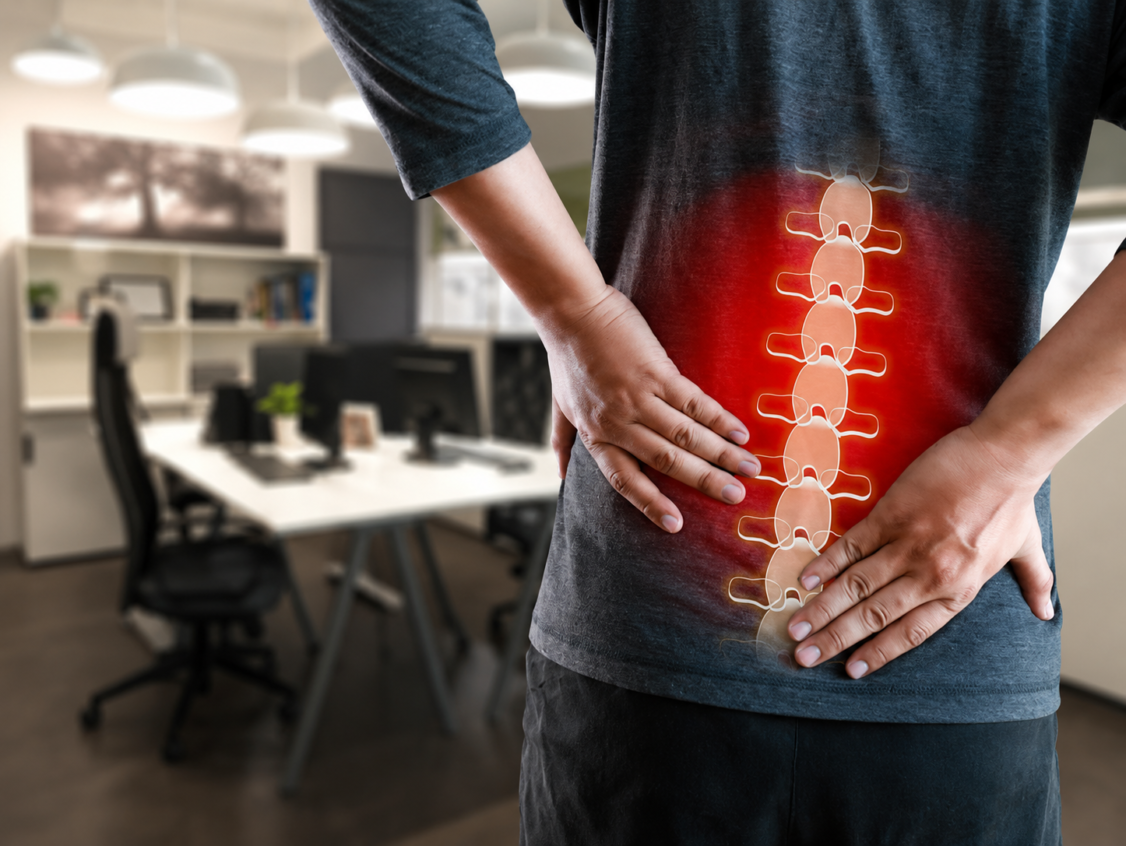
Mechanical low back pain is one of the most common musculoskeletal conditions affecting people of all ages. It refers to pain that originates from the muscles, ligaments, joints, discs, or other structures of the lower back (lumbar spine). The term “mechanical” means that the pain is influenced by movement, posture, or physical activity rather than being caused by infections, fractures, inflammatory diseases, or other serious medical conditions. Low back pain can develop suddenly after lifting a heavy object or making an awkward movement, or it may gradually appear due to prolonged sitting, poor posture, repetitive strain, or reduced physical activity. While the pain can make everyday activities challenging, most people recover well with appropriate physiotherapy, regular exercise, and healthy movement habits.
Did You Know?
Complete bed rest is no longer recommended for most cases of mechanical low back pain. Research has shown that staying as active as your symptoms allow, combined with appropriate physiotherapy and exercise, often leads to better recovery than prolonged inactivity. Gentle movement helps maintain flexibility, reduce stiffness, and support the healing process.
Frequently Asked Questions
No. Mechanical low back pain is a broad term that refers to pain arising from the muscles, joints, ligaments, or discs of the lower back. A slipped or herniated disc is one possible cause of back pain but is not present in every case.
Yes. Physiotherapy is considered one of the primary conservative treatments for mechanical low back pain. It helps reduce pain, improve movement, strengthen supporting muscles, and restore normal function.
Not necessarily. Complete rest is usually not advised. Your physiotherapist can guide you on which activities are safe to continue and prescribe exercises that support recovery while avoiding movements that aggravate your symptoms.
Most people with mechanical low back pain do not require an MRI. Imaging is generally recommended only when there are signs of a more serious condition, significant neurological symptoms, or when symptoms do not improve as expected.
Recovery depends on the severity and cause of the condition. Many people improve within a few weeks with appropriate physiotherapy and consistent exercise, while long-standing or recurrent pain may require a longer rehabilitation programme.