
Recovering from surgery can be a challenging road, and often extends beyond the initial hospital stay.

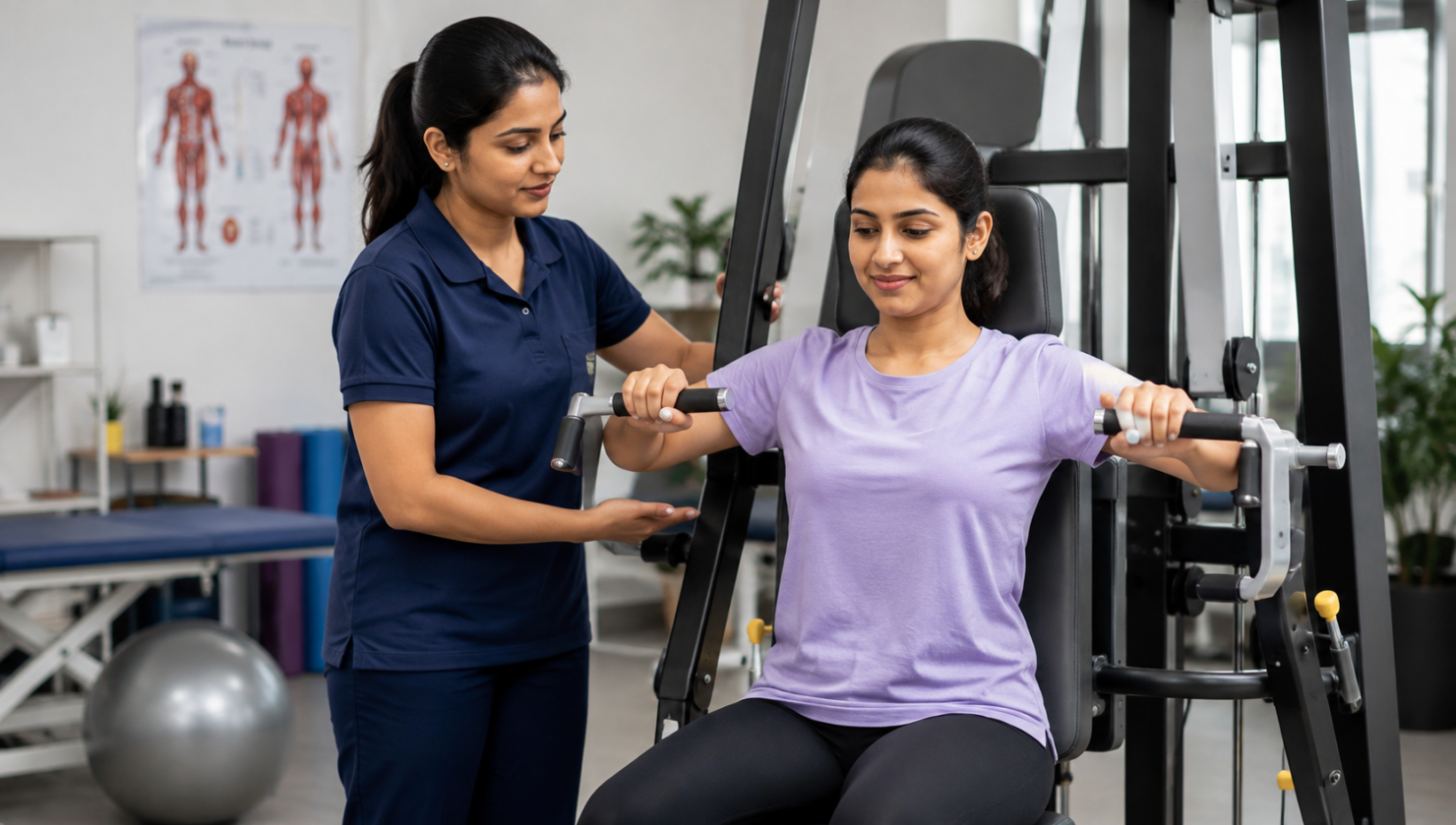
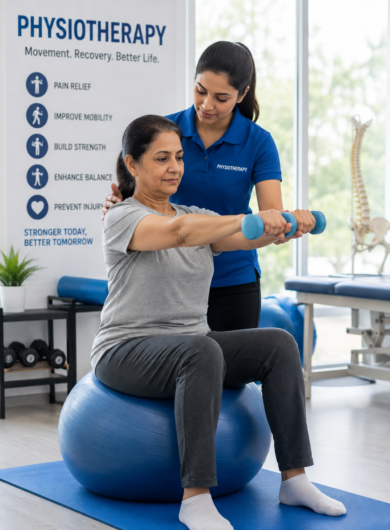
Recovering from an injury, surgery, or chronic pain doesn’t have to be a long and frustrating journey. With the right physiotherapy treatment and expert guidance, you can regain strength, improve mobility, and return to your daily activities with confidence. The image above perfectly captures one of the most effective aspects of modern physiotherapy—supervised strength training using specialized rehabilitation equipment.
Many people associate physiotherapy only with stretches and massage techniques. However, progressive strength training is a crucial part of rehabilitation. Once pain and inflammation begin to reduce, strengthening the affected muscles becomes essential for long-term recovery.
The Importance of Professional Guidance
Performing rehabilitation exercises without supervision can sometimes delay recovery or worsen an existing injury. A qualified physiotherapist carefully monitors your progress, adjusts exercise intensity, and ensures every movement is appropriate for your recovery stage.
This personalized approach helps achieve better outcomes while keeping your rehabilitation safe and effective.
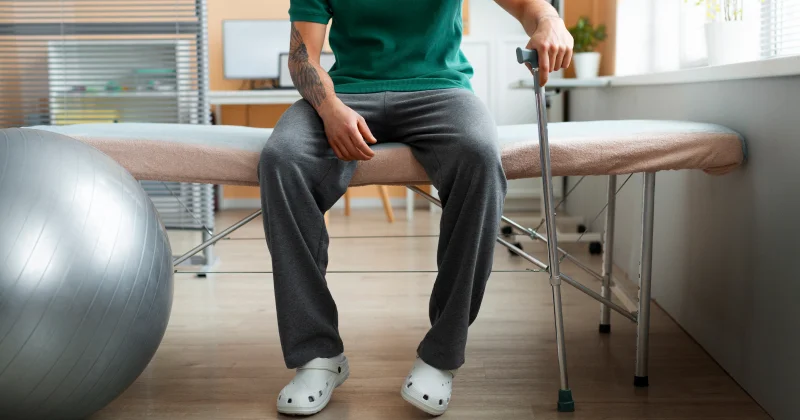
Benefits of Supervised Rehabilitation Exercises
Guided exercises help restore muscle strength and joint function more efficiently than unsupervised workouts.
A physiotherapist ensures you perform every exercise with proper posture and technique, minimizing unnecessary strain.
Targeted resistance exercises strengthen weakened muscles, providing better support to joints and improving overall stability.
Physiotherapy provides a safe and effective way to relieve pain without relying solely on medication. Through manual therapy, therapeutic exercises, posture correction, and advanced treatment techniques, physiotherapists address the root cause of pain rather than just the symptoms. Whether you’re experiencing neck pain, back pain, shoulder discomfort, or joint stiffness, a personalized treatment plan can help restore mobility, reduce inflammation, and improve your quality of life.
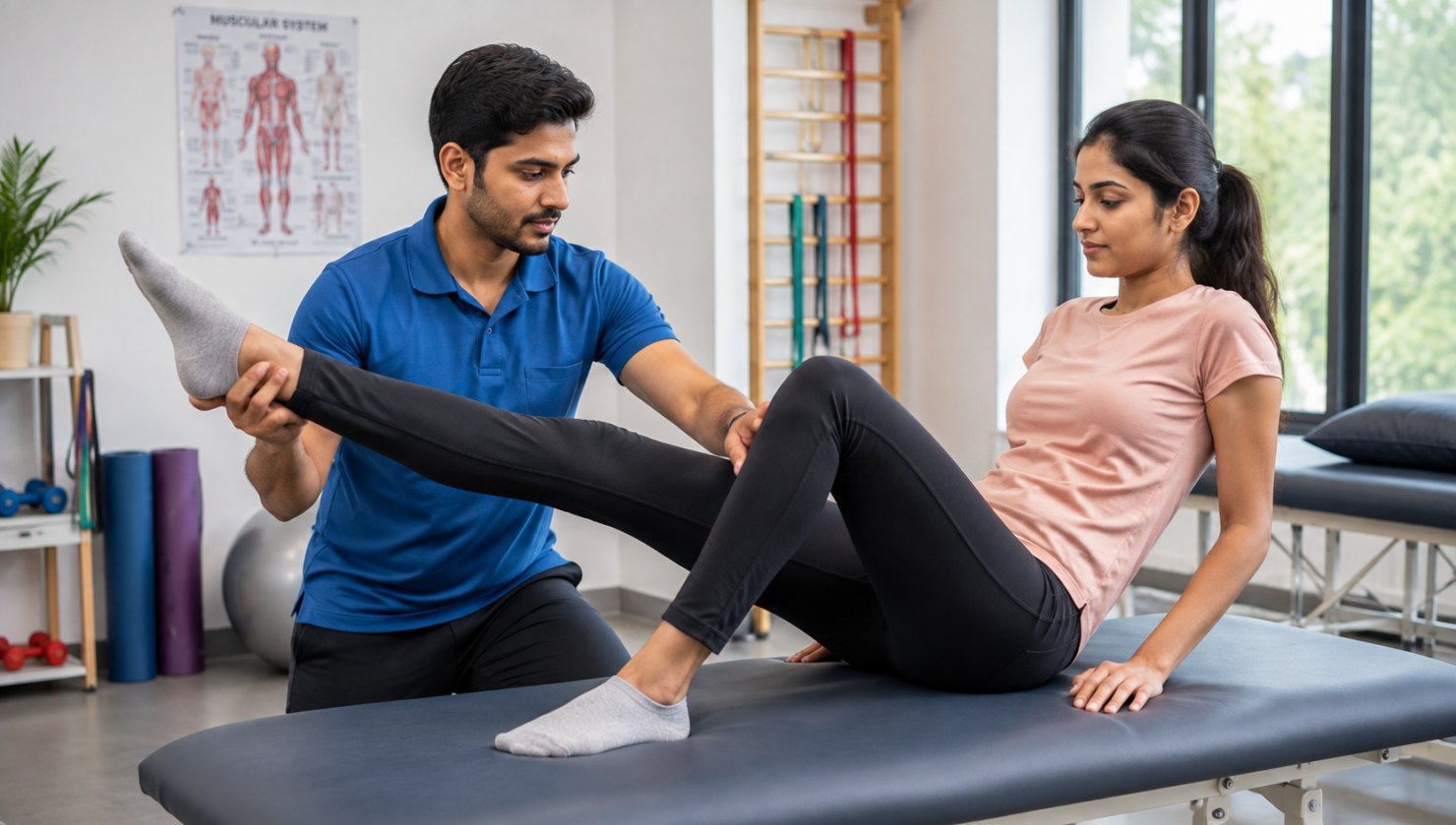
Building strength is an essential part of physiotherapy rehabilitation. Guided resistance exercises improve muscle strength, enhance joint stability, and restore normal movement patterns after injuries or surgery. Under professional supervision, patients perform customized exercises that gradually increase endurance, flexibility, and balance while reducing the risk of future injuries. This structured approach helps individuals regain confidence in their daily activities.
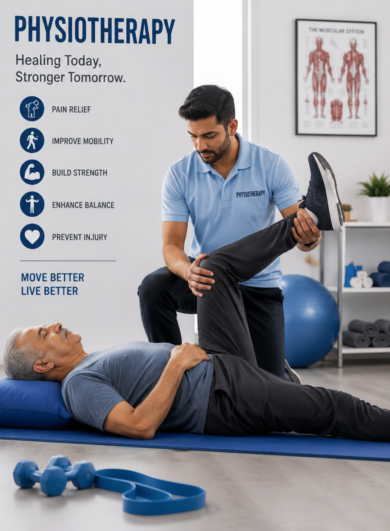
Recovering after surgery requires proper rehabilitation to regain strength and function safely. Physiotherapy helps reduce pain, improve flexibility, prevent stiffness, and accelerate healing through carefully planned exercise programs. Whether you’ve undergone knee replacement, shoulder surgery, ligament reconstruction, or spinal procedures, our rehabilitation programs are designed to help you return to your normal lifestyle as quickly and safely as possible.
A typical physiotherapy strengthening session includes:
- Assessment of your pain and mobility
- Warm-up and mobility exercises
- Guided strength training using rehabilitation equipment
- Posture and movement correction
- Cool-down stretching
- Home exercise recommendations
Each treatment plan is customized according to your condition, age, fitness level, and recovery goals.
Whether you’re recovering from surgery, managing chronic pain, or returning to sports after an injury, physiotherapy can help you rebuild strength safely and effectively. Early intervention and consistent rehabilitation not only speed up recovery but also improve your overall quality of life.
Take the first step towards a stronger, pain-free future. Schedule a consultation with an experienced physiotherapist and begin your personalized rehabilitation journey today.
Book a Consultation
It’s easy and free!




Comments
adamgordon
Thanks for sharing this post, it’s really helpful for me.
cmsmasters
Glad to be of service.
annabrown
This is awesome!!
cmsmasters
Thanks.